Table of Contents
ToggleMinimalist living trends 2026 are reshaping how people design their homes, spend their money, and use technology. The shift toward simpler lifestyles continues to gain momentum as more individuals reject clutter and excess. This year brings fresh approaches to minimalism that blend sustainability, digital wellness, and intentional design. From smaller living spaces to smarter purchasing habits, the principles of “less is more” are evolving in practical ways. Here’s what consumers and homeowners can expect from minimalist living trends 2026.
Key Takeaways
- Minimalist living trends 2026 prioritize digital wellness, with more people deleting unused apps, turning off notifications, and creating tech-free zones at home.
- Sustainable minimalism emphasizes quality over quantity—buying one durable item instead of multiple cheap alternatives reduces waste and saves money long-term.
- Multi-purpose furniture and hidden storage solutions maximize small spaces while keeping surfaces clear and stress levels low.
- Mindful consumption practices like the one-in-one-out rule and 30-day wait periods help prevent impulse purchases and closet overflow.
- Experience-based gift-giving is replacing physical presents, allowing people to create memories without accumulating clutter.
- Brands with transparent supply chains and durable products are winning over minimalist consumers who prioritize buying better over buying more.
The Rise of Digital Minimalism
Digital minimalism has become one of the defining minimalist living trends 2026. More people are actively reducing their screen time and cutting down on unnecessary apps. The average American spent over four hours daily on their smartphone in 2024, and that number sparked a backlash.
In 2026, digital decluttering looks different. Users are deleting social media accounts they rarely check. They’re unsubscribing from email lists that no longer serve them. Notifications get turned off by default rather than on.
Phone manufacturers have responded. New devices now include built-in focus modes and usage dashboards. Some brands offer “dumbphone” alternatives that handle calls and texts without the distractions.
The benefits go beyond saving time. Digital minimalism reduces anxiety and improves sleep quality. People report feeling more present in conversations and more productive at work.
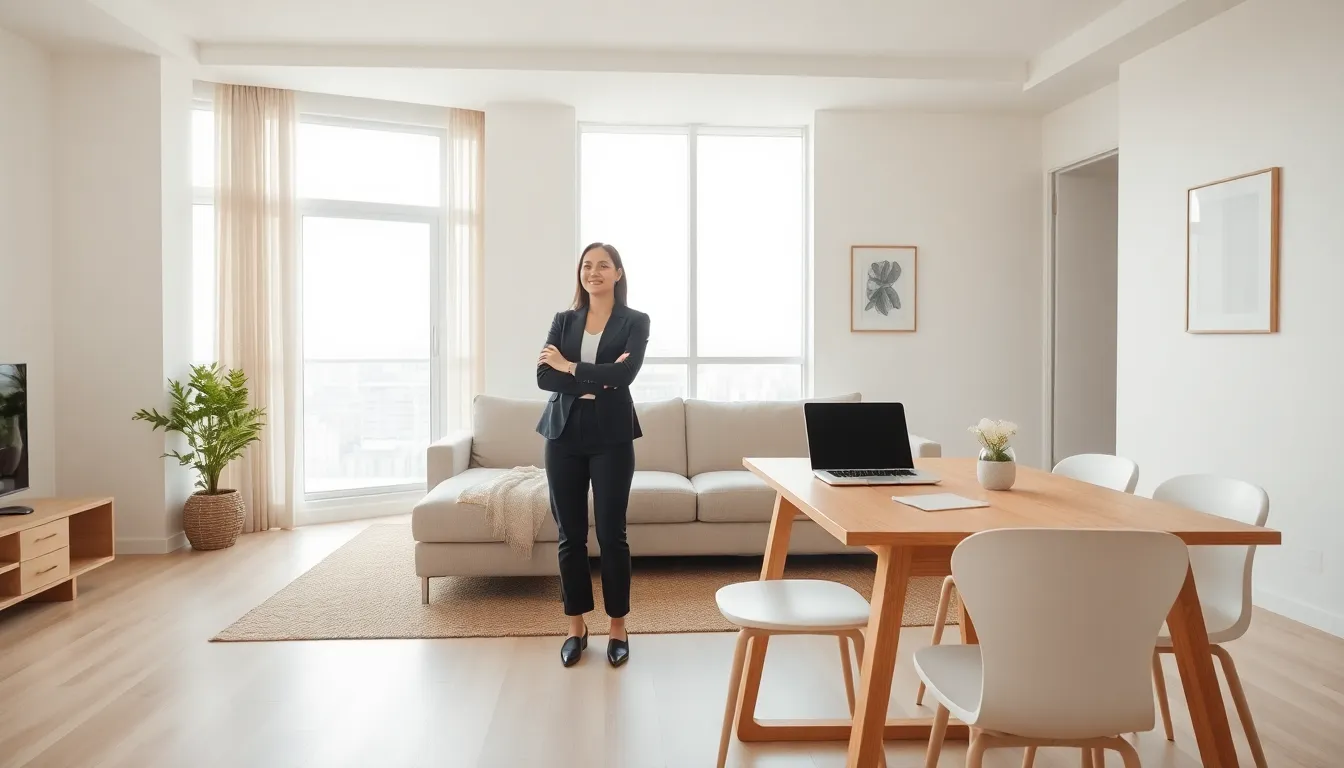
Home offices reflect this shift too. Dedicated tech-free zones are becoming standard in new floor plans. Charging stations stay in common areas rather than bedrooms. The goal is simple: create physical boundaries between digital tools and personal space.
Content creators and influencers are also embracing this trend. Many now post less frequently but with higher quality. The “always online” era is fading. Intentional online presence is replacing constant connectivity.
Sustainable and Eco-Conscious Minimalism
Sustainability sits at the center of minimalist living trends 2026. Owning fewer things isn’t just about aesthetics anymore, it’s an environmental statement.
Consumers are choosing quality over quantity. A single well-made coat replaces three cheap jackets. One durable kitchen knife beats a drawer full of mediocre tools. This approach reduces waste and saves money over time.
Secondhand shopping has gone mainstream. Thrift stores, consignment shops, and online resale platforms see record traffic. Buying used furniture and clothing carries no stigma. In fact, it’s now a badge of conscious living.
Zero-waste principles influence home design as well. Kitchens feature composting systems and bulk storage containers. Bathrooms swap single-use plastics for refillable dispensers. Cleaning supplies come in concentrated tablets rather than bulky bottles.
Energy efficiency plays a role in minimalist homes too. Smaller spaces require less heating and cooling. LED lighting and smart thermostats reduce consumption further. Solar panels appear on more rooftops as installation costs drop.
The minimalist living trends 2026 connect personal choices to global impact. People recognize that consuming less means demanding less from the planet. This mindset shift drives purchasing decisions across every category.
Functional Design and Multi-Purpose Spaces
Space efficiency defines much of minimalist living trends 2026. Urban housing costs remain high, pushing residents toward smaller apartments and creative solutions.
Multi-purpose furniture leads this movement. A sofa becomes a guest bed. A dining table doubles as a home office desk. Storage hides inside ottomans, staircases, and platform beds. Every square foot must earn its place.
Open floor plans continue to dominate, but with smarter zoning. Curtains, rugs, and strategic furniture placement create distinct areas without permanent walls. A living room transforms into a yoga studio or movie theater depending on the hour.
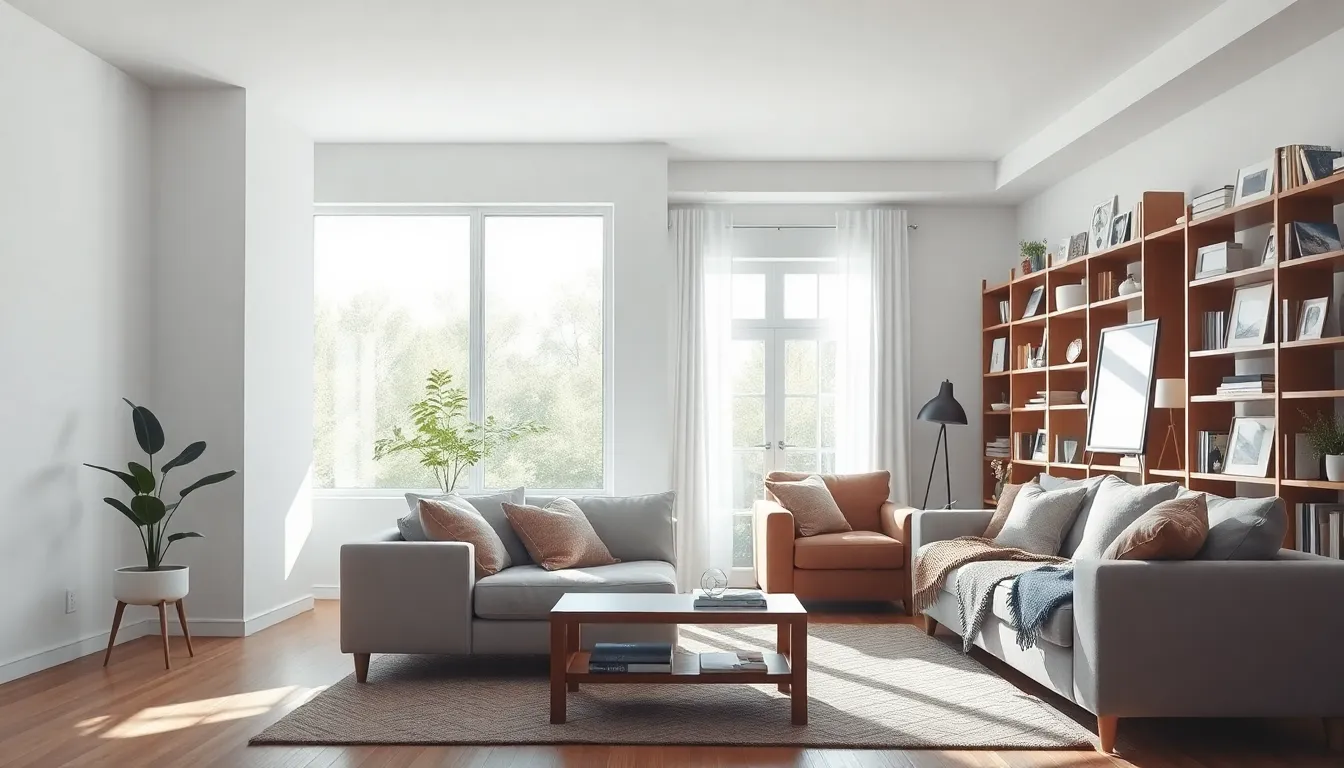
Color palettes stay neutral and calming. Whites, beiges, and soft grays make rooms feel larger. Pops of color come through plants, artwork, or textiles rather than painted walls. The result is flexibility, spaces that adapt as needs change.
Minimalist living trends 2026 also favor hidden storage. Clutter disappears behind cabinet doors and under raised platforms. Surfaces stay clear. The visual calm reduces stress and makes cleaning faster.
Modular furniture gains popularity too. Sectional sofas reconfigure for different gatherings. Shelving systems expand or contract based on what someone owns. This adaptability suits renters who move frequently and homeowners who want versatility.
Mindful Consumption and Intentional Purchasing
Mindful consumption stands out among minimalist living trends 2026. Shoppers ask harder questions before buying anything new. “Do I need this?” comes before “Do I want this?”
The one-in-one-out rule has spread widely. When someone buys a new shirt, an old one gets donated. This simple practice prevents closets from overflowing and forces thoughtful decisions.
Wait periods have become common too. Instead of impulse purchases, shoppers add items to wish lists and revisit them after 30 days. Many discover they no longer want what seemed essential in the moment.
Subscription fatigue drives change in spending habits. Consumers cancel streaming services they don’t watch, gym memberships they don’t use, and delivery boxes they don’t need. Monthly expenses drop as a result.
Minimalist living trends 2026 also affect gift-giving. Experience gifts replace physical objects. Concert tickets, cooking classes, and travel vouchers create memories without adding clutter. Some families skip gifts entirely and spend time together instead.
Brands that align with these values thrive. Transparent supply chains, ethical labor practices, and durable products attract minimalist buyers. Marketing messages shift from “buy more” to “buy better.” The companies that understand this evolution will succeed in capturing consumer trust and loyalty.