Table of Contents
ToggleLifestyle inspiration strategies help people break free from autopilot mode and create meaningful daily routines. Many individuals wake up, go through the motions, and wonder why they feel stuck. The problem isn’t a lack of time or resources, it’s a lack of direction and spark.
This guide covers practical lifestyle inspiration strategies that actually work. Readers will learn how to build vision boards, develop motivating habits, design their physical spaces, and tap into community support. These methods don’t require drastic life changes. They require intention, consistency, and a willingness to try something new.
The best part? Small shifts in daily routine can lead to major transformations over time.
Key Takeaways
- Lifestyle inspiration strategies connect daily actions to deeper values, turning goals into purposeful pursuits rather than chores.
- Vision boards activate your brain’s focus system—place yours where you’ll see it daily and update it as your goals evolve.
- Use habit stacking by attaching new behaviors to existing routines, making small actions automatic before scaling up.
- Design your physical environment to reduce friction for good habits and add friction to unwanted behaviors.
- Build a supportive community through online groups, local meetups, or accountability partners to sustain your lifestyle inspiration strategies long-term.
- Small, consistent shifts in daily routines lead to major transformations over time—intention and consistency matter more than drastic changes.
Understanding What Lifestyle Inspiration Really Means
Lifestyle inspiration goes beyond scrolling through Pinterest boards or watching motivational videos. It’s the internal fuel that drives people to take action toward the life they want. Without genuine inspiration, goals become chores. With it, even difficult tasks feel purposeful.
True lifestyle inspiration strategies connect daily actions to deeper values. Someone who values creativity might find inspiration in a morning sketching routine. A person who prioritizes health might feel motivated by meal prepping on Sundays. The key is alignment, matching activities to what actually matters.
Many people confuse motivation with inspiration. Motivation fades quickly. It depends on mood, energy, and external circumstances. Inspiration runs deeper. It comes from a clear picture of who someone wants to become and why that matters.
To tap into lifestyle inspiration, people should ask themselves three questions:
- What activities make them lose track of time?
- What would they do if money and judgment weren’t factors?
- What legacy do they want to leave?
These questions reveal core values. Once someone knows their values, they can design routines that reflect them. This is where lifestyle inspiration strategies become personal and powerful.
Creating a Vision Board for Your Ideal Life
Vision boards are one of the most popular lifestyle inspiration strategies, and for good reason. They work by keeping goals visible and top of mind. A well-designed vision board serves as a daily reminder of what someone is working toward.
Creating an effective vision board requires more than cutting out random magazine photos. It demands clarity about specific goals across different life areas: career, relationships, health, personal growth, and leisure.
Here’s a simple process to build one:
- Gather materials – Use a cork board, poster board, or digital tool like Canva.
- Collect images and words – Choose visuals that represent specific goals, not vague wishes.
- Organize by category – Group items into sections like “Health,” “Career,” or “Relationships.”
- Place it where you’ll see it daily – A bedroom wall, office desk, or phone wallpaper all work.
- Update it regularly – Goals change. The board should evolve too.
Vision boards work because they activate the brain’s reticular activating system. This system filters information and prioritizes what’s important. When someone sees their goals repeatedly, their brain starts noticing opportunities related to those goals.
Digital vision boards offer flexibility for people who move often or prefer privacy. Apps like Pinterest, Milanote, or even a dedicated photo album can serve the same purpose. The format matters less than the practice of reviewing it consistently.
Building Daily Habits That Spark Motivation
Habits form the foundation of any lifestyle transformation. Lifestyle inspiration strategies fail without consistent daily actions to support them. Good intentions don’t change lives, habits do.
The most effective approach is habit stacking. This means attaching a new habit to an existing one. For example, someone who wants to practice gratitude might write three things they’re thankful for right after their morning coffee. The coffee becomes a trigger for the new behavior.
Small habits beat ambitious ones every time. Research shows that tiny actions, like doing five push-ups or reading one page, build momentum without overwhelming the brain’s resistance to change. Once the habit is automatic, scaling up becomes easy.
Here are high-impact habits that boost lifestyle inspiration:
- Morning journaling – Five minutes of writing clarifies thoughts and sets intentions.
- Movement breaks – A 10-minute walk after lunch improves focus and mood.
- Evening reflection – Reviewing daily wins builds confidence over time.
- Device-free time – One hour without screens allows the mind to wander and generate ideas.
Tracking habits increases success rates dramatically. A simple calendar with X marks for completed days creates visual accountability. Many people find that they don’t want to “break the chain” once they’ve built a streak.
Lifestyle inspiration strategies work best when habits feel rewarding immediately. Adding a small celebration, like a fist pump or favorite song, after completing a habit wires the brain to repeat the behavior.
Curating Your Environment for Positive Energy
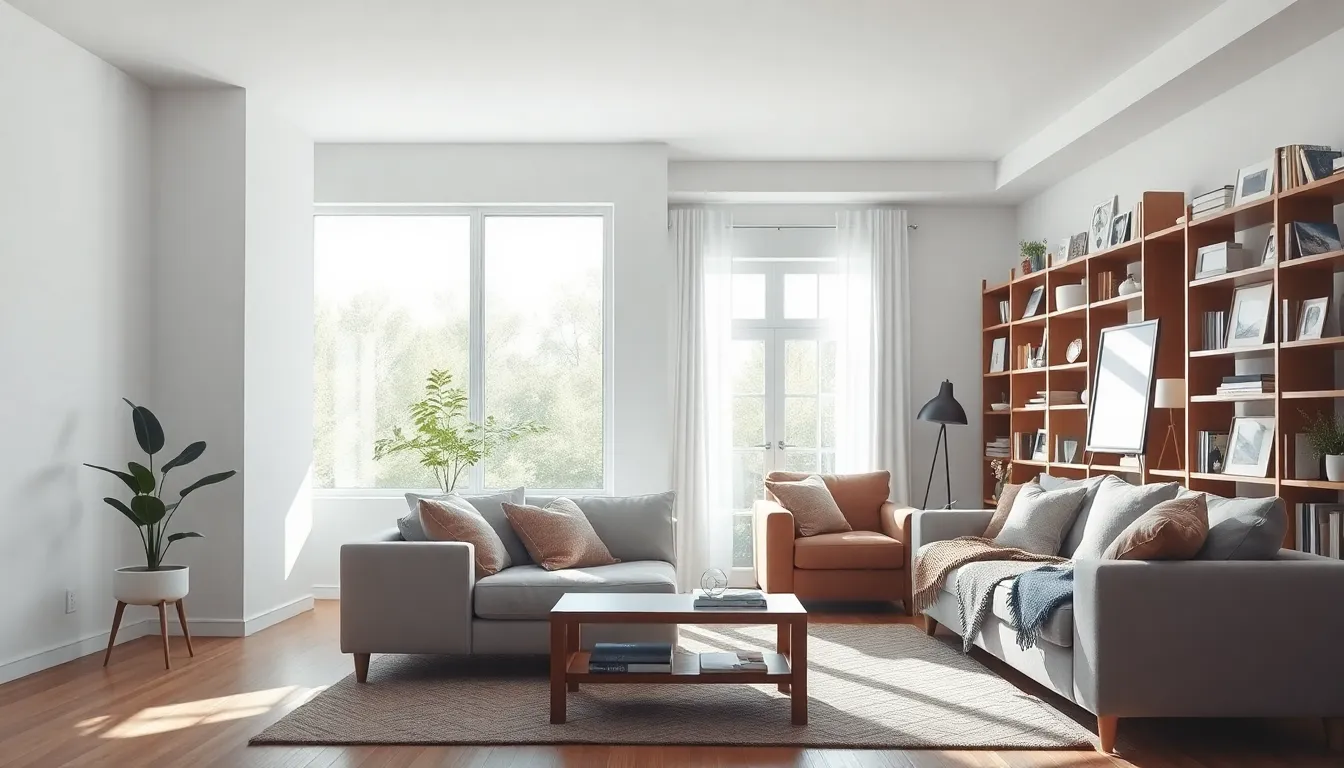
Physical surroundings shape behavior more than most people realize. Lifestyle inspiration strategies should include intentional environment design. A cluttered, chaotic space drains mental energy. A clean, organized one supports focus and creativity.
The first step is reducing friction for desired behaviors. Someone who wants to exercise more should lay out workout clothes the night before. A person hoping to read more should place a book on their pillow. These small changes make good choices easier.
Conversely, adding friction to unwanted behaviors helps break bad habits. Moving the TV remote to another room reduces mindless watching. Keeping phones in a drawer during work hours cuts down on distractions.
Lighting plays a significant role in mood and energy. Natural light boosts alertness and improves sleep quality. People who work from home should position desks near windows when possible. In the evening, dimmer lighting signals the body to wind down.
Plants, colors, and scents also affect mental state. Studies show that indoor plants reduce stress and increase productivity. Blue and green tones promote calm, while yellow and orange energize. Essential oils like peppermint or eucalyptus can sharpen concentration.
Digital environments matter too. Curating social media feeds to show inspiring content, and unfollowing accounts that trigger comparison or negativity, is a form of environmental design. The same applies to email inboxes and notification settings.
Finding Inspiration Through Community and Connection
Humans are social creatures. Lifestyle inspiration strategies that ignore community often fail. The people around someone shape their beliefs, behaviors, and aspirations.
Jim Rohn’s famous quote holds true: people become the average of the five individuals they spend the most time with. This doesn’t mean cutting off loved ones. It means being intentional about adding inspiring people to one’s circle.
Online communities offer access to like-minded individuals regardless of location. Facebook groups, Reddit communities, Discord servers, and membership platforms connect people with shared goals. A runner in a small town can find accountability partners worldwide. An aspiring entrepreneur can learn from others on the same journey.
In-person connections carry unique benefits. Local meetups, classes, and workshops provide face-to-face interaction that builds deeper bonds. Volunteering introduces people to others who share their values.
Mentorship accelerates growth. Finding someone a few steps ahead on a similar path provides guidance, shortcuts, and encouragement. Many successful people are willing to mentor others, they just need to be asked.
Accountability partnerships are another powerful tool. Two people commit to checking in regularly about their goals. This simple practice increases follow-through significantly. Knowing someone will ask about progress creates positive pressure to take action.
Lifestyle inspiration strategies become sustainable when they’re shared. Celebrating wins with others multiplies joy. Working through challenges together reduces isolation.