Table of Contents
ToggleMinimalist living offers a clear path to less stress and more freedom. This lifestyle strips away excess possessions, commitments, and distractions. People who adopt minimalism often report greater happiness, financial savings, and mental clarity.
The concept sounds simple: own less, do less, worry less. But putting it into practice requires intention and effort. This guide explains what minimalist living actually means, why it works, and how anyone can start today. Whether someone wants to declutter a single room or overhaul their entire lifestyle, these strategies provide a practical starting point.
Key Takeaways
- Minimalist living reduces stress, saves money, and frees up time by focusing only on possessions and commitments that add real value.
- Start small by decluttering one area at a time and using the “one in, one out” rule to prevent re-accumulation.
- A 30-day waiting period for non-essential purchases helps distinguish genuine needs from impulse wants.
- Sentimental items can be photographed before releasing them—the memory survives without the physical object.
- Minimalist living looks different for everyone; progress toward intentional simplicity matters more than achieving a perfect aesthetic.
What Is Minimalist Living?
Minimalist living is a lifestyle centered on intentional simplicity. It means keeping only what adds value and removing what doesn’t. This applies to physical belongings, digital clutter, relationships, and time commitments.
The philosophy rejects the idea that more stuff equals more happiness. Instead, minimalists focus on quality over quantity. They choose fewer possessions that serve real purposes rather than accumulating items that collect dust.
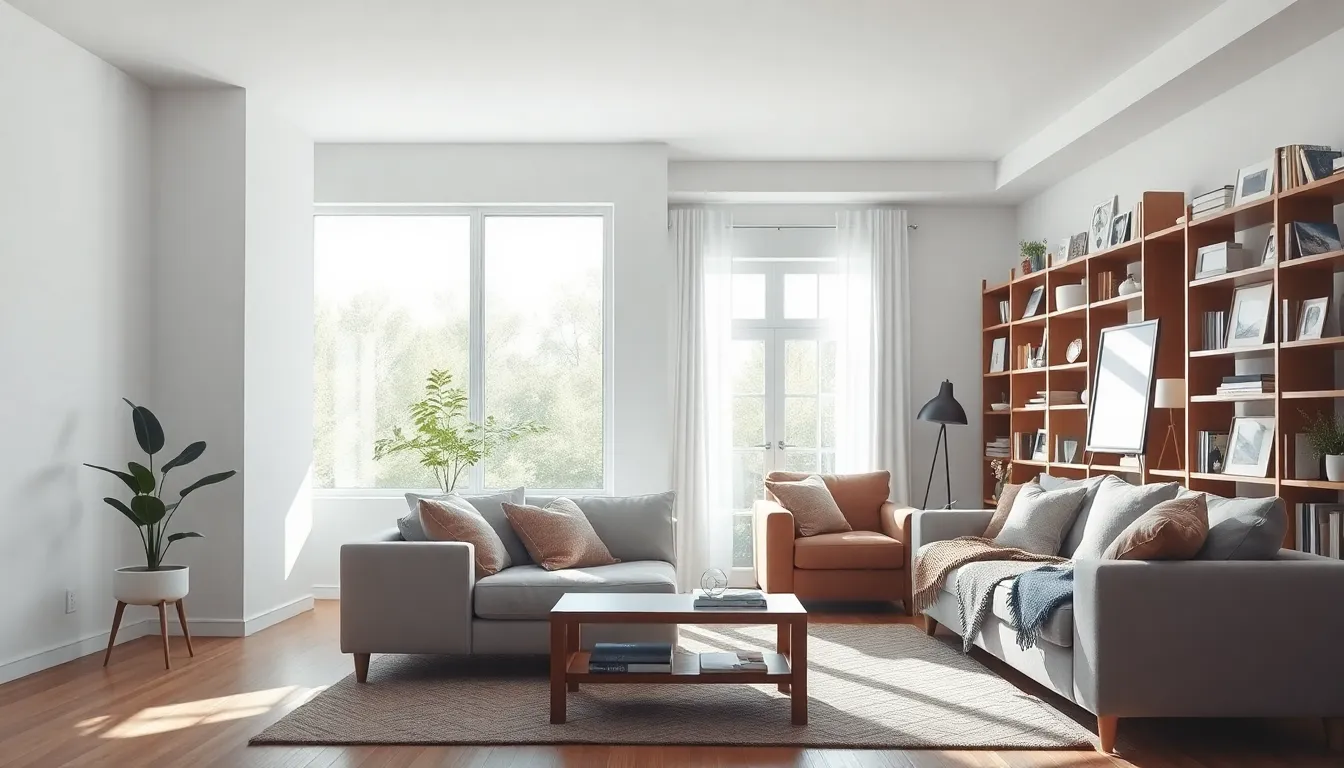
Minimalist living looks different for everyone. A family of four won’t have the same setup as a single person in a studio apartment. The core principle stays consistent: own what you need and love, release the rest.
Some people practice extreme minimalism, owning fewer than 100 items total. Others take a moderate approach, simply avoiding unnecessary purchases. Both versions qualify as minimalist living because intention drives the decisions.
This lifestyle gained popularity in the 2010s through blogs, documentaries, and books. Marie Kondo’s “The Life-Changing Magic of Tidying Up” brought decluttering into mainstream conversation. Joshua Fields Millburn and Ryan Nicodemus, known as The Minimalists, built a media empire around the concept.
Minimalist living connects to broader movements like sustainability and conscious consumption. When people buy less, they produce less waste. Many minimalists find their choices align naturally with environmental values.
Benefits of Embracing Minimalism
The benefits of minimalist living extend far beyond a tidy home. Research and personal accounts point to improvements across multiple life areas.
Financial Freedom
Owning less costs less. Minimalists spend less money on purchases, storage, maintenance, and replacement items. Many redirect savings toward experiences, investments, or debt repayment. A 2023 survey found that 67% of self-identified minimalists reported improved financial health within one year of adopting the lifestyle.
Reduced Stress
Clutter creates mental noise. Studies from Princeton University showed that visual clutter competes for attention and reduces working memory. When people clear their spaces, they often feel calmer and more focused.
More Time
Fewer possessions mean less time spent cleaning, organizing, maintaining, and shopping. Minimalist living frees hours each week. People use this time for hobbies, relationships, or rest.
Better Relationships
Minimalism encourages people to evaluate all commitments, not just stuff. This includes social obligations that drain energy without adding joy. Many minimalists report deeper connections with fewer people rather than shallow relationships with many.
Environmental Impact
Consumer culture drives resource depletion and pollution. Minimalist living reduces individual consumption footprints. Buying less means producing less waste and using fewer raw materials.
Improved Focus
With fewer distractions, people concentrate better on meaningful work and goals. Minimalist living removes the noise that pulls attention in twenty directions.
How to Start Living Minimally
Starting minimalist living doesn’t require dramatic action. Small, consistent steps create lasting change. These practical strategies help anyone begin the process.
Decluttering Your Home and Mind
Physical decluttering provides the most visible entry point to minimalist living. Start with one area, a single drawer, closet, or room. Sort items into three categories: keep, donate, and discard.
Ask practical questions about each item. Does it serve a current purpose? Has it been used in the past year? Does it bring genuine satisfaction? If answers trend negative, the item can go.
The “one in, one out” rule prevents re-accumulation. For every new item entering the home, one existing item leaves. This maintains balance after the initial purge.
Mental decluttering matters equally. Minimalist living includes reducing digital noise, limiting news consumption, and setting boundaries on commitments. Unsubscribe from email lists. Delete unused apps. Say no to obligations that don’t align with priorities.
Schedule regular “brain dumps” to clear mental clutter. Write down every task, worry, and idea occupying mental space. Then organize and address items systematically.
Building Sustainable Minimalist Habits
Long-term success with minimalist living depends on habit formation. Create systems that make simplicity the default choice.
Carry out a 30-day waiting period for non-essential purchases. If the desire for an item persists after a month, it might add real value. Most impulse wants fade within days.
Practice gratitude for current possessions. Appreciation reduces the urge to acquire more. Some minimalists keep gratitude journals focused specifically on belongings they love using.
Build a capsule wardrobe. This concept limits clothing to a set number of versatile pieces that mix and match. Most people wear 20% of their clothes 80% of the time anyway.
Digitize paper documents, photos, and media where possible. Digital storage takes no physical space. Cloud backup protects against loss.
Review possessions seasonally. Minimalist living requires ongoing attention. Items that served purposes six months ago might not anymore. Regular audits prevent gradual re-accumulation.
Common Challenges and How to Overcome Them
Minimalist living presents real obstacles. Knowing common challenges helps people prepare and persist.
Sentimental Attachments
Emotional connections to objects make decluttering difficult. Grandmother’s china, childhood toys, and travel souvenirs carry meaning beyond their function. The solution isn’t forcing detachment. Instead, keep truly meaningful items and photograph others before releasing them. The memory survives without the physical object.
Family Resistance
Partners, children, or roommates might not share enthusiasm for minimalist living. Forcing the lifestyle creates conflict. Start with personal spaces and belongings only. Model the benefits. Invite participation without pressure. Some family members convert over time: others find comfortable compromises.
Social Pressure
Consumer culture pushes constant acquisition. Advertising, social media, and peer behavior all encourage buying. Minimalists develop resistance by limiting exposure to marketing, curating social feeds, and connecting with like-minded communities.
Fear of Scarcity
Some people keep excess items “just in case.” This thinking comes from genuine fears about future need. Address it practically: most items can be borrowed, rented, or repurchased if truly needed later. The cost of occasional repurchasing rarely exceeds the cost of storing items indefinitely.
Perfectionism
Minimalist living imagery on social media shows pristine, empty spaces. Real life looks messier. Don’t let perfect become the enemy of progress. Any reduction in clutter improves quality of life. Progress matters more than aesthetic perfection.